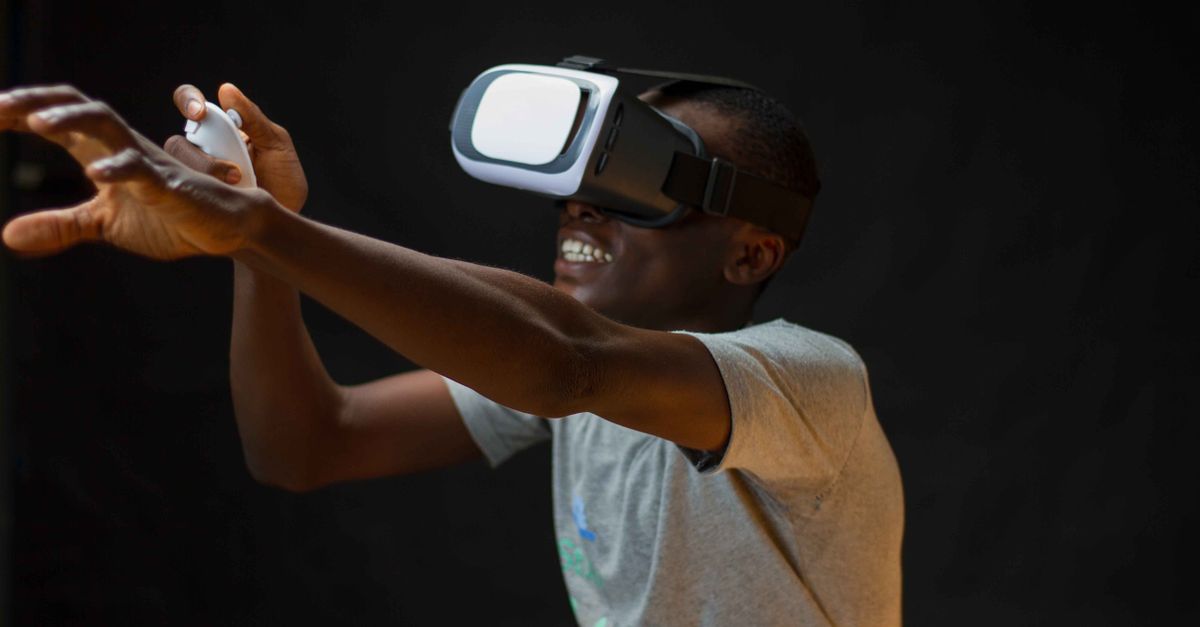

The intersection of fashion and technology has given birth to a new frontier: the metaverse. This parallel digital universe promises a transformational shift in how we perceive and engage with fashion. As the world increasingly embraces virtual environments, understanding fashion’s place in the metaverse becomes crucial.
Understanding the Metaverse
The metaverse is a collective virtual shared space, merging virtually enhanced physical reality, augmented reality, and virtual worlds. Built on the internet’s backbone, it provides an immersive experience where users can interact with a computer-generated environment and other users. In recent years, technological advancements have propelled the metaverse from a science fiction concept to a tangible reality.
The Digital Transformation of Fashion
Fashion in the metaverse has expanded far beyond tangible apparel, encompassing digital outfits, virtual accessories, and fully realized fashion ecosystems. Many brands are pouring significant resources into this emerging space to craft distinctive NFT-based fashion items. These digital creations serve as proof of ownership and ensure rarity, mirroring traditional fashion values while presenting them through a virtual lens.
Digital Clothing and NFTs
Fashion houses like Gucci and Balenciaga have launched exclusive virtual collections, redefining luxury in the digital age. For instance, a virtual sneaker might not tangibly exist, yet owning it can confer status within the metaverse, much like a high-end physical sneaker does in reality. These items are bought, sold, and traded as NFTs, making them unique and verified by blockchain technology.
The Function of Avatars
Avatars serve as vital tools for personal expression throughout the metaverse, much like fashion choices reveal individuality in the physical world. In virtual spaces, avatars mirror that role, allowing users to showcase their style. As people purchase digital garments to customize their avatars, the demand for virtual boutiques offering the newest digital fashion trends is likely to grow.
Online Fashion Runways and Events
The metaverse is also transforming conventional fashion events, as virtual runway shows on platforms like Decentraland invite worldwide audiences to participate free from location limits, presenting digital collections and enabling designers, buyers, and fashion fans to engage with one another in real time.
Case Studies: Digital-First Brands
Emerging digital-first brands illustrate the potential of fashion in the metaverse. RTFKT, acquired by Nike, stands out as a pioneer in creating original digital sneakers that have attracted a significant following. Moreover, “The Fabricant,” a purely digital fashion house, exemplifies how design without physical limitations can lead to innovative creations that redefine fashion’s boundaries.
The Economic Impact
The economic potential of fashion in the metaverse is substantial. Morgan Stanley predicts this digital fashion market could grow to $50 billion by 2030. The growing investment from major fashion brands into digital assets highlights a shift in resource allocation, prioritizing digital growth over traditional channels.
Cultural Considerations
Culturally, the metaverse blurs the lines between fashion, identity, and social interaction. Digital fashion allows individuals to transcend physical barriers, exploring identities and trends without committing to the tangible aspects of fashion. This democratization enables people from all walks of life to access and participate in fashion innovation.
The Environmental Consideration
The environmental impact remains impossible to ignore, as digital fashion provides a more sustainable option compared to fast fashion by cutting down on waste and excessive production, yet the energy demands tied to blockchain and NFT transactions still pose challenges, calling for advances in greener technological solutions.
Reflecting on the present landscape, fashion within the metaverse marks a notable shift in paradigm, as this emerging digital sphere expands the horizons for creativity, personal expression, and economic opportunity. With technology progressing and the metaverse becoming more woven into everyday life, the ongoing transformation of digital fashion will likely open fresh avenues and may ultimately reshape the very notion of what fashion means.