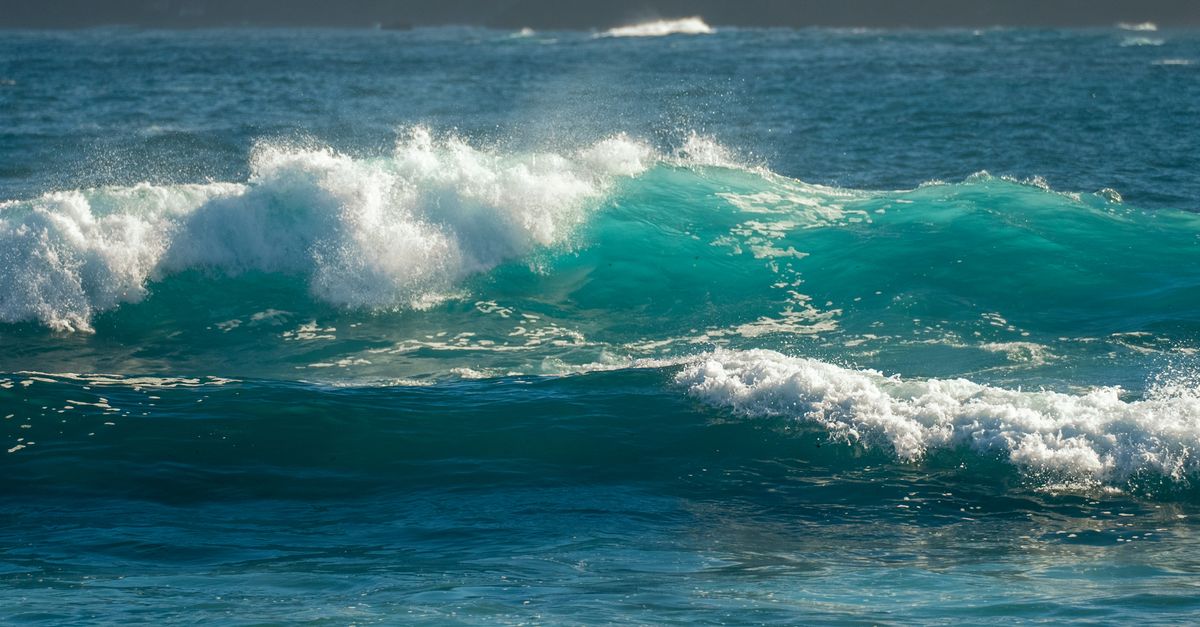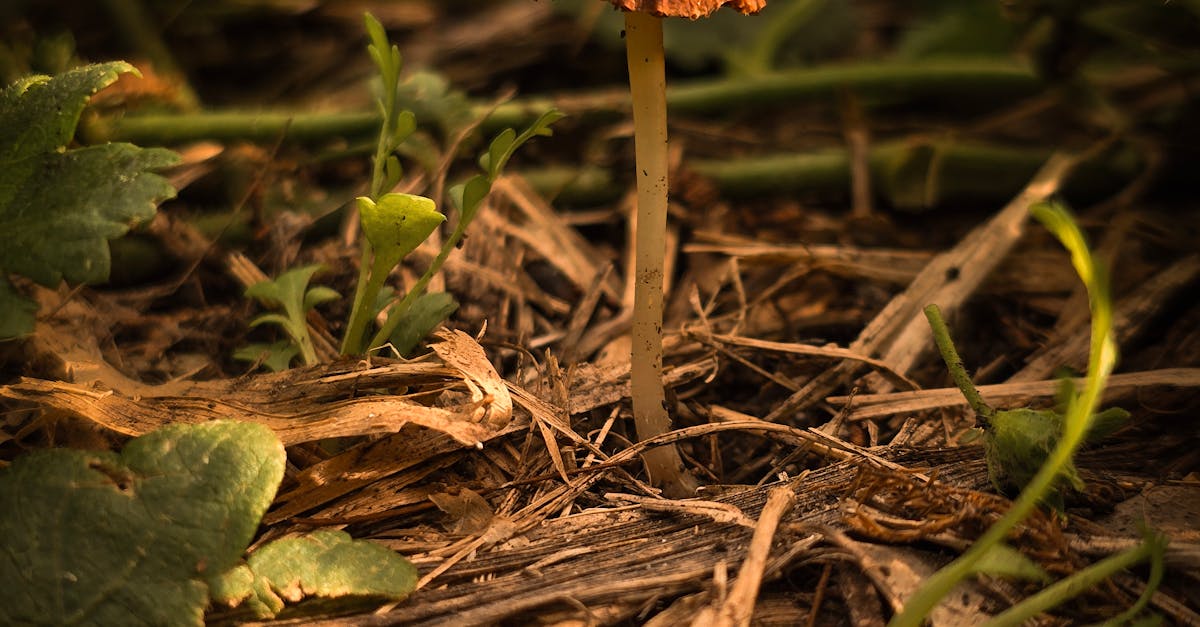

Dominica, often known as the Caribbean’s “Nature Island,” features rugged forested peaks, abundant freshwater networks, and a remarkable array of native flora and fauna, all of which underpin its tourism industry while also placing it on the forefront of climate threats such as powerful storms, landslides, shoreline retreat, and shifting rainfall patterns. Across Dominica, hotels and resorts are increasingly turning corporate social responsibility (CSR) commitments into concrete measures that reinforce climate resilience, protect forest ecosystems, and maintain both community livelihoods and the quality of visitor experiences.
Why hotels matter for Dominica’s resilience and forests
- Economic leverage: Tourism is a major employer and a visible market for local products and services. Hotels can direct spending toward sustainable local suppliers and conservation-oriented enterprises.
- Landscape footprint: Hotel properties influence runoff, slope stability, coastal buffers and habitat connectivity. Decisions about landscaping, waste and water management affect erosion and biodiversity.
- Visibility and education: Hotels shape visitor expectations. Eco-friendly practices and interpretive programs spread awareness and support for conservation.
- Funding and partnerships: Properties can mobilize guest donations, corporate contributions and investor capital for ecosystem restoration and resilience projects.
Typical CSR initiatives carried out by Dominica hotels with specific examples
- Reforestation and native tree planting: Hotels back initiatives that introduce native species to degraded hillsides and watershed areas, helping curb erosion while boosting groundwater recharge. Smaller lodges and resorts frequently organize continuous planting drives linked to guest participation and staff volunteer programs.
- Permaculture and sustainable landscaping: Eco-resorts cultivate on-site permaculture gardens that cut down food transport distances, convert kitchen scraps into organic compost, and help keep soil stable. These garden plots also operate as hands-on demonstration areas for community workshops.
- Coastal and mangrove restoration: Properties located near estuaries contribute to mangrove recovery efforts that shield coastlines from storm surges and offer essential nursery grounds for fisheries.
- Sea turtle and wildlife conservation partnerships: Coastal lodges work jointly with local conservation organizations to survey nesting beaches, reduce artificial lighting, and limit shoreline disruptions, resulting in higher nesting success for leatherback and hawksbill turtles.
- Renewable energy and energy efficiency: Hotels channel resources into solar PV, efficient HVAC systems, LED fixtures, and smart controls to cut emissions and energy use, strengthening operational resilience when storm-related grid interruptions occur.
- Rainwater harvesting and water-saving systems: Rainwater capture and greywater recycling lessen dependence on watershed supplies and help maintain water availability during drought conditions or infrastructure outages.
- Waste reduction and circular practices: Approaches range from composting organic materials for garden use to decreasing plastic consumption and collaborating with local partners to recycle or repurpose waste.
- Community livelihoods and skills development: CSR commonly supports vocational instruction in eco-guiding, trail upkeep, sustainable farming, and hospitality, expanding local job opportunities and fostering long-term stewardship.
- Scientific monitoring and citizen science: Hotels contribute to biodiversity assessments, water-quality tracking, and bird surveys that generate data essential for adaptive management of forests and watershed systems.
Outstanding regional instances and collaborations
- Small eco-resorts and lodges: Several boutique properties on the island operate with explicit conservation missions — integrating permaculture, solar energy and volunteer restoration work into guest offerings, and partnering with community groups for turtle monitoring and reforestation.
- Collaborations with NGOs and government bodies: Hotels frequently work with the Environmental Coordinating Unit, the Dominica Conservation Association and international NGOs to align projects with national priorities such as the Climate Resilience Execution Agency for Dominica (CREAD) and the country’s resilience planning.
- Trail and park support: Properties near the Waitukubuli National Trail and Morne Trois Pitons National Park support trail maintenance, guided interpretation, and infrastructure that channels visitor use away from sensitive habitats.
Financing models and incentives
- Guest-supported funding: Voluntary contributions at check-out, fee-based conservation experiences, and adopt-a-tree programs turn visitor interest into project finance.
- Carbon finance and offsets: Some hotels invest in or host reforestation and mangrove projects that can generate voluntary carbon credits, provided robust measurement, reporting and verification systems are in place.
- Public-private grants: Partnerships with national agencies and international donors (multilateral climate funds, foundations) help cover upfront costs for renewable energy, green infrastructure and large-scale restoration.
- Payment for ecosystem services (PES): Emerging PES schemes can reward upland landowners and community groups for watershed stewardship that benefits downstream tourism infrastructure.
Measuring impact: indicators hotels should track
- Hectares of native forest restored or conserved
- Number of native trees planted and survival rate after 1–3 years
- Reduction in energy use and fossil fuel consumption (kWh and CO2 equivalent)
- Volume of water saved through rainwater harvesting and efficiency (liters)
- Reduction in solid waste sent to landfill and amount composted or recycled
- Counts of nesting sea turtles or increases in local wildlife sightings linked to restored habitat
- Jobs created and hours of community training delivered
- Visitor engagement metrics: participation in conservation programs and guest donations
Challenges and how hotels overcome them
- Financing and up-front costs: Use phased investments, blended finance, and guest-supported funds to spread cost and demonstrate proof of concept.
- Land tenure and scale: Work through community agreements and land trusts to secure areas for reforestation and conservation beyond hotel property lines.
- Monitoring and credibility: Partner with research institutions or certified auditors for transparent measurement and reporting to avoid greenwashing.
- Climate uncertainty and extreme events: Design restoration with species and techniques resilient to changing rainfall and storm regimes; prioritize native, deep-rooting species for slope stability.
- Balancing guest experience with protection: Use zoned design that channels visitors to low-impact trails, boardwalks and interpretive centers while preserving core conservation zones.
Scalable strategies for greater island-wide impact
- Hotel networks for conservation: Create island-wide coalitions where multiple properties pool funds and expertise to finance large-scale watershed restoration or mangrove corridors.
- Certification and market differentiation: Adopt recognized sustainability standards (EarthCheck, Green Globe, or bespoke local accreditation) to attract climate-conscious travelers and premium rates that fund ongoing conservation.
- Supply-chain greening: Shift procurement toward sustainably produced local goods (timber alternatives, organic produce, sustainably harvested seafood) to reduce pressure on forests and coastal systems.
- Policy alignment: Coordinate CSR investments with national resilience plans and protected-area management to amplify outcomes and access public co-financing.
SEO and messaging tips for hotels promoting CSR impact
- Primary keywords: Dominica hotel CSR, climate resilience Dominica, forest conservation Dominica, eco-friendly hotels Dominica.
- Secondary keywords: reforestation Dominica, mangrove restoration, sustainable tourism Dominica, community conservation projects.
- Suggested meta description (under 160 characters): Supporting Dominica’s climate resilience and forest conservation — how hotels turn CSR into on-the-ground restoration, community jobs, and visitor education.
- Image alt text examples: “staff planting native tree species in Dominica watershed restoration project” or “eco-resort solar panels and permaculture garden in Dominica.”
- Use case studies, local quotes and measurable outcomes on hotel websites and in press materials to build credibility and search visibility.
A practical checklist for a hotel’s CSR initiative centered on resilience and forest stewardship
- Chart the hotel’s ecological footprint and pinpoint assets most at risk
- Establish precise, time-specific objectives for tree planting, lowering energy use, and diverting waste
- Select native plant varieties and apply erosion-mitigation methods for restoration work
- Create formal alliances with local NGOs, governmental bodies, and research institutions
- Design guest-oriented initiatives that finance and clearly communicate conservation efforts
- Adopt open monitoring practices and release yearly reports detailing environmental impact
- Provide training for staff and local contractors on resilience-driven upkeep and conservation
Reflecting on Dominica’s path, hotel CSR that intentionally links conservation, community and climate resilience becomes more than a marketing claim: it is an integrated approach that reduces physical risk, restores the island’s ecological functions, and sustains the visitor economy. By combining native reforestation, nature-based coastal defenses, renewable energy and community-led stewardship — and by measuring and communicating results — hotels help transform recovery from past storms into a strategic investment in a more resilient, forest-rich future for Dominica.